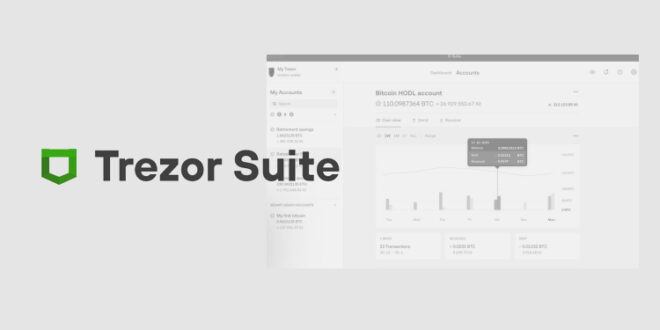
Trezor Suite
Managing cryptocurrency safely requires the right tools, and Trezor Suite is designed to provide them. It is the official companion software for Trezor hardware wallets, enabling users to manage crypto assets securely, easily, and efficiently. Whether you are a beginner setting up your first wallet or an experienced user looking to optimize security and workflow, Trezor Suite simplifies every step of crypto management.
This guide walks you through the full onboarding process, from installation to sending and receiving cryptocurrency, highlighting essential features and best security practices.
What Is Trezor Suite?
Trezor Suite is a desktop and web application developed by Trezor to manage cryptocurrencies through your hardware wallet. While your Trezor device protects private keys offline, Suite serves as the interface to access accounts, track balances, send and receive crypto, and manage security settings.
Key features include:
Adding and managing multiple cryptocurrency accounts
Viewing portfolio value and performance in real-time
Sending and receiving crypto securely
Connecting to Web3 apps for DeFi and NFTs
Installing firmware updates and device management
Advanced security features such as passphrase-protected wallets
Trezor Suite is available for Windows, macOS, Linux, and also offers a web-based version, though the desktop app is recommended for maximum security.
Why Trezor Suite Matters
Trezor Suite complements your hardware wallet by providing a safe and intuitive environment for managing cryptocurrency. Its design balances security, transparency, and usability, making it a vital tool for anyone serious about self-custody.
Security First
All sensitive operations require physical confirmation on your Trezor device. Private keys remain offline at all times, making it virtually impossible for hackers to access your funds.
Multi-Currency Support
Manage Bitcoin, Ethereum, Litecoin, and hundreds of other coins and tokens within a single interface.
User-Friendly Dashboard
The intuitive dashboard simplifies sending, receiving, and monitoring crypto, even for beginners.
Open-Source and Transparent
Trezor Suite’s open-source code undergoes public audits, ensuring transparency and trustworthiness.
Installing Trezor Suite
Getting started with Trezor Suite is straightforward:
Step 1 — Download the App
Always download Trezor Suite from the official Trezor website to avoid phishing sites.
Step 2 — Choose Your Operating System
Trezor Suite supports Windows, macOS, and Linux. Download the installer for your system.
Step 3 — Install and Launch
Follow the on-screen instructions to install. Once installed, open Trezor Suite to begin the setup process.
Step 4 — Connect Your Trezor Device
Use the provided USB or USB-C cable to connect your Trezor wallet. The application will detect your device and guide you through initialization.
Setting Up Your Trezor Device with Suite
During your first connection, Trezor Suite will help you configure your device securely.
1. Firmware Installation
New devices ship without firmware installed. Trezor Suite prompts you to install it safely. Confirm installation on your device. Firmware updates ensure your wallet is protected against vulnerabilities.
2. Creating a PIN
Set a secure PIN that you will use every time you connect your Trezor. Avoid simple sequences or easily guessable numbers.
3. Generating Your Recovery Seed
Your recovery seed is the master key to your wallet. Trezor Suite will generate a 12-, 18-, or 24-word seed for backup purposes.
Security Tips:
Write it down on the provided card, offline.
Do not store digitally or take pictures.
Never share it. Anyone with your seed can access your funds.
4. Naming Your Device
Choose a name for your Trezor to distinguish it if you have multiple devices.
Navigating the Trezor Suite Dashboard
The dashboard is your control center in Trezor Suite. It provides:
Portfolio Overview: Visual charts and balance summaries.
Account Panel: Individual accounts for each cryptocurrency.
Quick Actions: Send, receive, and buy crypto at a glance.
Notifications: Firmware updates, security alerts, and transaction confirmations.
The layout is designed to make both simple and advanced operations easy to perform while keeping security features prominent.
Adding Cryptocurrency Accounts
Trezor Suite supports multiple accounts across different blockchains.
Steps to Add an Account:
Click “Add Account”.
Select your cryptocurrency.
Confirm the account creation on your Trezor device.
The account now appears in the dashboard.
For Ethereum users, ERC-20 tokens received into your account will automatically appear once confirmed on the blockchain.
Receiving Crypto
Receiving cryptocurrency is simple and secure with Trezor Suite.
Steps to Receive Crypto:
Open the account you want to receive into.
Click “Receive”.
Connect and unlock your Trezor.
Verify the receiving address on your Trezor device screen.
Copy or scan the address to send crypto from an exchange or another wallet.
Always verify the address on your device, not just on your computer, to prevent malware from manipulating the address.
Sending Crypto
Sending crypto safely is central to Trezor Suite’s design.
Steps to Send Crypto:
Select the account.
Click “Send”.
Enter the recipient’s address and amount.
Set the transaction fee.
Review all details in Suite.
Confirm the transaction on your Trezor device.
The transaction will not proceed until you approve it physically, ensuring no unauthorized transfers can occur.
Using Trezor Suite for Web3, NFTs, and DeFi
Trezor Suite integrates seamlessly with Web3 platforms:
NFT marketplaces
Decentralized exchanges (DEXs)
Staking and yield platforms
Crypto games
Through MetaMask and similar tools, your Trezor wallet signs all transactions offline, ensuring private keys remain safe even when interacting with third-party apps.
Advanced Security Features
Trezor Suite offers features that enhance privacy and security:
Passphrase-Protected Hidden Wallets: Adds an extra layer of privacy.
Tor Integration: Enables anonymous access to the blockchain.
Labeling and Organization: Helps track and categorize transactions.
Multiple Wallet Profiles: Ideal for separating personal and business funds.
These tools provide additional protection and flexibility for advanced users.
Maintaining Long-Term Security
To maximize safety:
Store your recovery seed securely offline.
Keep Trezor Suite and firmware updated.
Verify all actions on your Trezor device.
Prefer desktop usage over web usage.
Avoid phishing links and unofficial software.
Following these guidelines ensures your funds remain protected over the long term.
Troubleshooting Tips
Device not recognized?
Try another USB port, cable, or restart Suite.
Balance not updating?
Refresh blockchain data or restart the application.
Tokens missing?
Ensure you are viewing the correct account and refresh tokens.
Forgot PIN?
Reset the device and recover using your recovery seed.
Conclusion: Start Your Secure Crypto Journey
Trezor Suite combines powerful security, intuitive design, and flexible features to make cryptocurrency management safe and efficient. By pairing Trezor Suite with a Trezor hardware wallet, you retain full control over your private keys while enjoying easy access to your funds and portfolio insights.
Whether sending crypto, receiving payments, managing multiple accounts, or exploring Web3 applications, Trezor Suite ensures your assets are always secure. Following this onboarding guide will help you get started quickly, safely, and confidently.